
Canada’s Strategy for GLP-1 Medications and Rising Drug Costs
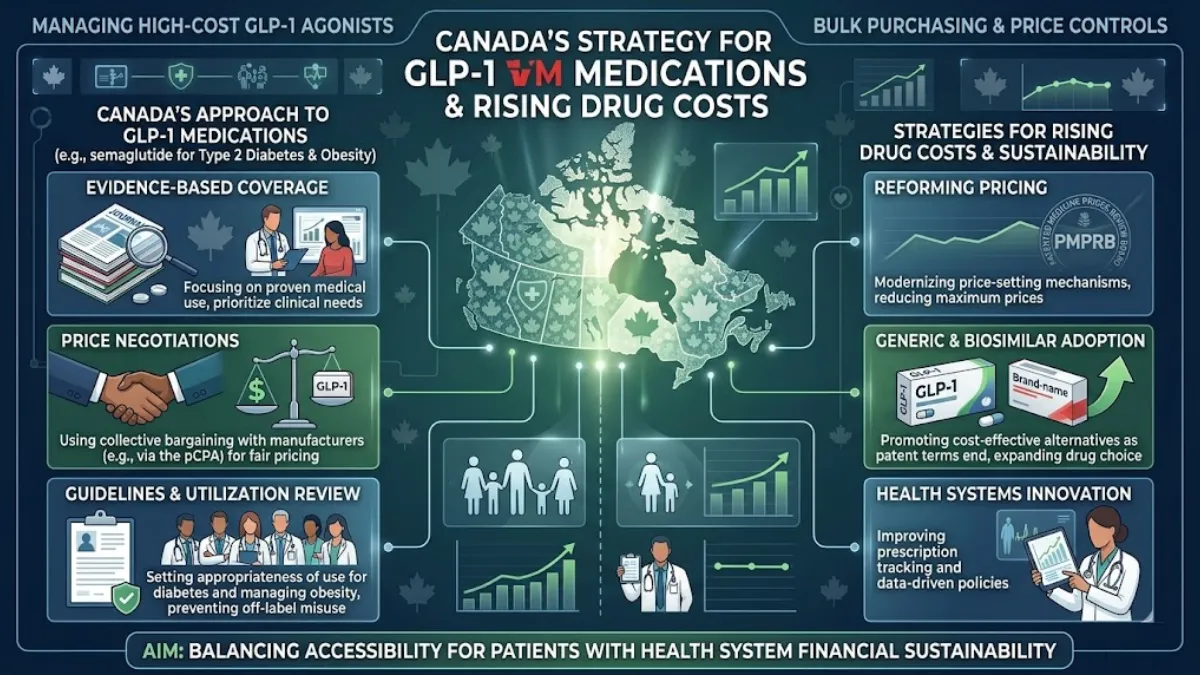
A few years ago, most Canadians had never heard the term “GLP-1 medication.”Now? It’s everywhere.Doctors talk about it. Insurance companies worry about it. Pharmacies keep running low on supply. And regular Canadians are asking one big question:“Will I even be able to afford these medications long term?”That concern is real. Especially as drugs like Ozempic, Wegovy, and Mounjaro become increasingly popular for both diabetes treatment and weight management across Canada.But here’s the complicated part these medications actually work for many people. That’s why demand exploded so fast.And now Canada is trying to balance three difficult things at once:
- Patient access
- Public healthcare spending
- Long-term drug affordability
Not easy honestly.
Why GLP-1 Medications Are Suddenly So Popular in Canada
GLP-1 receptor agonists were originally designed for Type 2 diabetes management. But doctors quickly noticed something else happening.Patients were losing significant weight.Sometimes 15–20%. Occasionally more.That changed everything.Today, medications like Ozempic and Wegovy are commonly discussed not only in diabetes clinics, but also in obesity treatment programs, private wellness clinics, and employer health insurance plans across Canada.For many Canadians struggling with obesity-related health issues, these drugs feel life-changing.A Toronto office worker recently described it online as“The first time in years I didn’t constantly think about food.”That kind of story spreads quickly. Very quickly.
What Is Canada’s Current Strategy for GLP-1 Drug Coverage?
Canada does not have one single national drug coverage system for GLP-1 medications. Instead, coverage depends on several factors:
Provincial Drug Plans
Each province handles reimbursement differently.For example:
- Ontario Drug Benefit programs may cover certain diabetes-related prescriptions
- British Columbia has stricter eligibility requirements
- Quebec insurance systems operate differently again
So two Canadians with similar health conditions might pay completely different prices depending on where they live.
Little frustrating honestly.
Private Insurance Coverage
Many employer health plans now face rising costs because of increased GLP-1 prescriptions.
Some insurers are beginning to:
- Limit coverage
- Require prior authorization
- Restrict use to diabetes patients only
- Exclude weight-loss prescriptions entirely
This is becoming a major conversation in Canadian health insurance markets.Especially for employers trying to manage benefits spending.
Why Drug Costs Are Becoming a National Issue
GLP-1 medications are expensive. There’s no soft way to say it.Without insurance, monthly costs in Canada can range from:$220 to $450+ per month depending on medication and dosageAnd these medications often require long-term use.That’s where policymakers get nervous.If millions of Canadians eventually qualify for obesity-related treatment coverage, total healthcare spending could rise dramatically over the next decade.But there’s another side to the debate too.Supporters argue that treating obesity earlier may reduce future costs linked to:
- Heart disease
- Sleep apnea
- Joint replacements
- Stroke
- Type 2 diabetes complications
In other words, spending more now might save billions later.Maybe.That’s exactly what Canadian health economists are currently trying to model.
The Federal Government’s Bigger Healthcare Challenge
Canada’s healthcare system already faces pressure from:
- Aging populations
- Longer wait times
- Physician shortages
- Rising prescription costs
- Mental health demand
Adding widespread GLP-1 drug coverage into that environment creates difficult financial questions.Very difficult ones.Some experts believe Canada may eventually create national obesity-treatment guidelines tied to public reimbursement rules.Others think stricter controls are coming first.And honestly, both could happen at the same time.
Are Canadians Paying More Than Other Countries?
That’s a common question online.Compared with some European healthcare systems, Canadians often face:
- Less universal prescription coverage
- Higher out-of-pocket medication costs
- Greater dependence on private insurance
Meanwhile, Americans may pay even higher retail prices unless covered by strong employer insurance.So Canada sits somewhere in the middle.Not the cheapest. Not the worst either.Still, affordability remains a serious issue for middle-income households.Especially younger Canadians without extensive workplace benefits.
Benefits of GLP-1 Medications
Despite cost concerns, many Canadian doctors support broader access to GLP-1 therapies because the medical benefits can be significant.
Potential Benefits Include:
- Improved blood sugar control
- Weight reduction
- Lower cardiovascular risk
- Better insulin sensitivity
- Reduced appetite and cravings
- Improved quality of life for some patients
For people living with obesity-related conditions, the impact can go beyond physical health too.Confidence changes. Mobility improves. Energy levels rise.Those things matter.A lot actually.
Risks and Concerns Canadians Should Understand
At the same time, GLP-1 medications are not magic solutions.And they’re definitely not risk-free.
Possible Side Effects
Common concerns include:
- Nausea
- Digestive discomfort
- Vomiting
- Fatigue
- Muscle loss during rapid weight reduction
Doctors also worry about inappropriate prescribing through online clinics or social media trends.That’s becoming more common than many people realize.Some Canadians are now requesting these drugs primarily for cosmetic reasons rather than medical need.Which creates ethical and supply concerns.
What Could Happen Next in Canada?
Experts expect several major shifts over the next few years.
1. Stricter Insurance Approval Processes
Insurance companies may require:
- BMI documentation
- Diabetes diagnosis confirmation
- Lifestyle program participation
Basically more paperwork.
2. Increased Competition
New pharmaceutical companies entering the GLP-1 market could eventually lower prices.That would help consumers significantly.
3. National Pharmacare Discussions
Canada’s broader pharmacare conversations may eventually include obesity medications.
But political agreement will not happen overnight.No chance honestly.
Smart Questions Canadians Should Ask Before Starting GLP-1 Therapy
Before considering medications like Ozempic or Wegovy, Canadians should discuss:
- Long-term costs
- Insurance eligibility
- Side effects
- Lifestyle changes
- Alternative treatments
- Medication shortages
Because stopping treatment suddenly can sometimes reverse progress.
That part surprises many patients.
Written by Editorial Staff Author
Expert editorial team providing accurate and insightful information.