Vitamin D Supplements: Do You Actually Need Them?
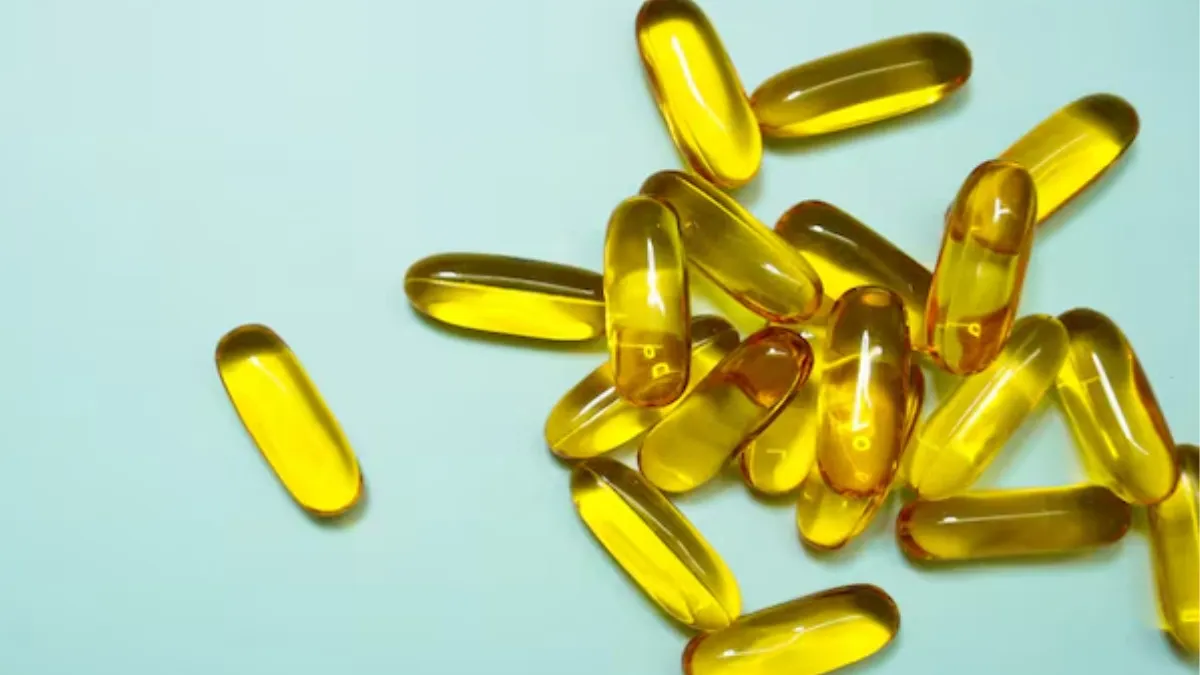
Millions of people take nutrition D supplements every day, believing they may be essential for higher health. From boosting immunity to stopping critical sicknesses, vitamin D has won a sturdy recognition in current years.
But new studies indicates that the truth is greater complex. While vitamin D is essential, not all of us truly desires dietary supplements and in some instances, an excessive amount of may even be dangerous. So, who virtually wishes nutrition D dietary supplements? Let’s damage it down in easy phrases.
Why Vitamin D Is Important
Vitamin D is frequently referred to as the “sunshine vitamin” because your body evidently produces it when your pores and skin is exposed to daylight. It performs a key function in:
- Building and retaining strong bones
- Helping the body soak up calcium
- Supporting the immune device
Because of those advantages, diet D has been widely promoted as a should-have nutrient for common fitness.
Why Supplement Use Has Increased
In latest years, researchers have related low vitamin D degrees to numerous severe conditions, which includes:
- Heart sickness
- Cancer
- Dementia
- Mood issues like melancholy
These hyperlinks caused a surge in complement use, with many humans taking nutrition D day by day—even with out checking if they really need it.
What Recent Research Says
New massive-scale research are hard the idea that diet D supplements are useful for anybody.
No Major Protection Against Common Diseases
A principal take a look at in the United States regarding over 25,000 adults found that vitamin D supplements:
- Did now not reduce the hazard of coronary heart assaults
- Did not prevent strokes
- Did now not lower cancer hazard
Similarly, studies posted in 2025 confirmed:
- No development in reminiscence or wondering
- No safety towards dementia
This suggests that for plenty healthy adults, taking vitamin D dietary supplements may not offer the predicted fitness blessings.
Some Positive Findings
The research isn't always absolutely terrible. Some benefits have been located in unique situations:
- People who evolved cancer and had taken vitamin D for as a minimum years have been 25% less in all likelihood to die
- Taking dietary supplements for 5 years decreased the hazard of autoimmune illnesses (like rheumatoid arthritis) by using 22%
So while vitamin D may not save you sicknesses, it'd nevertheless assist in sure long-term fitness outcomes.
Who Actually Needs Vitamin D Supplements?
According to up to date tips from the Endocrine Society, not all people needs dietary supplements.
- Groups which can gain include:
- Children
- Adults aged 75 and older
- Pregnant girls
- People with excessive-danger prediabetes
People at higher danger of deficiency:
- Older adults
- People with darker skin tones
- Those living in northern areas (with much less daylight)
- Individuals with gut or liver situations
If you fall into this type of companies, supplements can be useful—but it’s nonetheless excellent to consult a health practitioner.
Risks of Taking Too Much Vitamin D
One essential factor many people don’t realize is that nutrition D isn't effortlessly removed from the body. Unlike a few vitamins, it builds up in frame tissues, that may cause issues if taken in excess.
- Possible dangers encompass:
- High ranges of calcium inside the blood
- Damage to blood vessels and arteries
- Increased danger of kidney stones
- Higher hazard of falls in older adults (specifically with excessive doses)
This means more isn't usually higher.
Should Healthy Adults Take Vitamin D?
For most healthful adults below 75, modern tips suggest:
You won't want diet D supplements at all.
If you:
- Spend time in daylight
- Eat a balanced weight loss plan
- Have no underlying health troubles
You may already be getting enough nutrition D clearly.
A Smarter Approach to Vitamin D
Instead of taking dietary supplements blindly, don't forget a greater balanced approach:
1. Check Your Lifestyle
Do you get enough daylight? Do you devour nutrition D-wealthy foods?
2. Avoid Self-Medicating High Doses
Taking large amounts with out clinical recommendation may be volatile.
3. Talk to a Doctor
A simple blood test can let you know in case you actually need supplements.
Written by Editorial Staff Author
Expert editorial team providing accurate and insightful information.